
INFINITE SYSTEMS INSIGHTS:
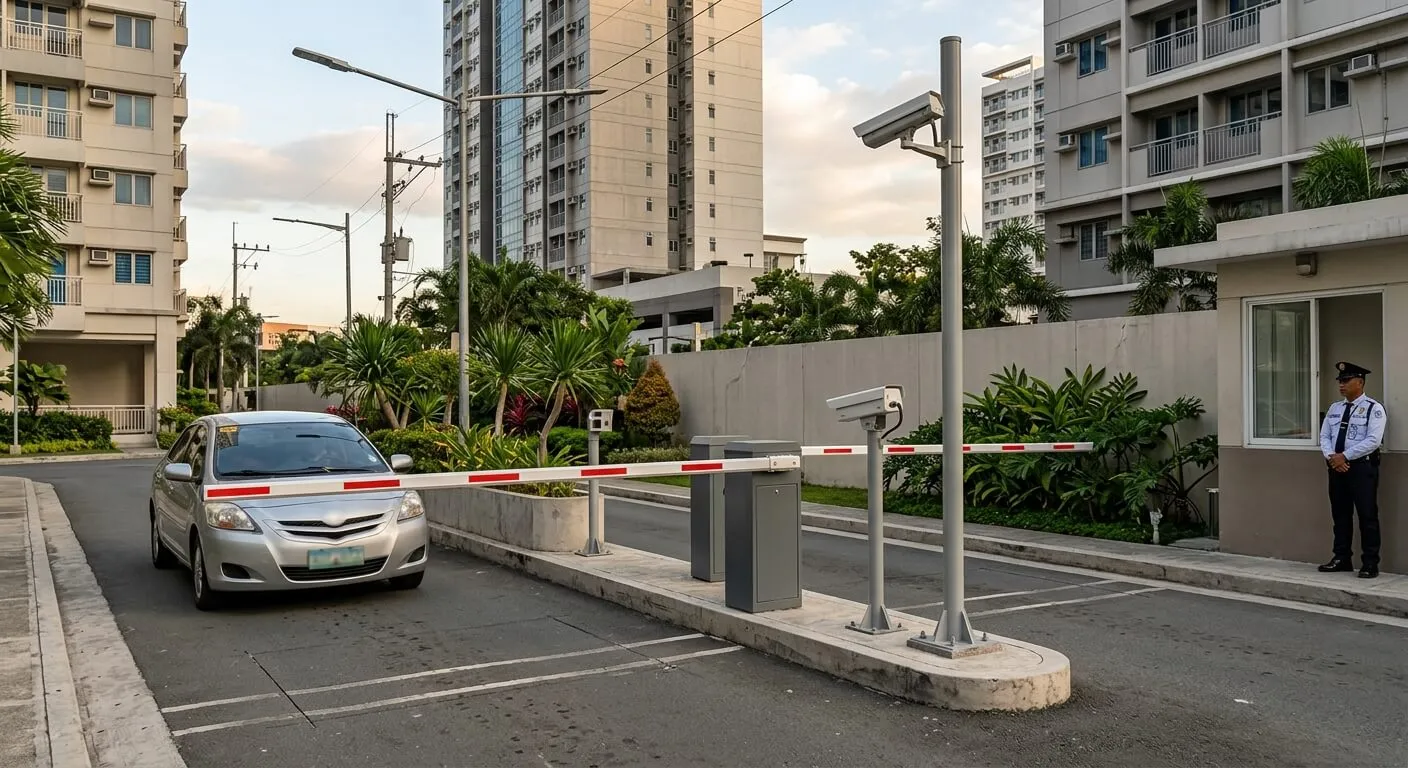
Plan LPR camera installation in the Philippines around lane geometry, plate angle, capture distance, vehicle speed, lighting, mounting, vehicle detection, barrier logic, networking and commissioning.
QUICK TAKEAWAY
Reliable license plate recognition starts with the lane and capture conditions, not simply the camera specification. Camera position, lens selection, plate angle, vehicle behavior, lighting, triggering and integration should be designed together and verified with real vehicles before acceptance.
LPR Performance Starts With the Lane
License plate recognition is not simply a normal CCTV camera pointed at traffic. Reliable capture depends on controlling where the vehicle passes, how the license plate appears in the image and the conditions under which recognition occurs.
Capture
The camera and lens must produce a usable plate image at the actual vehicle position.
Control
Vehicle detection, access rules and barrier logic should be coordinated with the recognition system.
Commission
Actual vehicles, plates, lighting and exception conditions should be tested before project acceptance.
LPR Camera Installation Workflow
A practical LPR deployment should move from site conditions to camera selection, integration and field testing rather than selecting equipment first and trying to adapt the lane afterward.
01
Survey
Measure lane geometry, vehicle path, mounting points and lighting conditions.
02
Design
Define camera position, lens, detection method and recognition requirements.
03
Integrate
Coordinate LPR, vehicle detection, barrier, access software and network systems.
04
Commission
Test representative vehicles and document recognition and exception results.
1. Capture Distance and Plate Size
Select the camera position and lens so the license plate occupies enough of the image for the selected LPR system. A very wide overview view may show the entire vehicle and surrounding lane but still provide insufficient detail for consistent plate recognition.
Design point:
The usable capture area should be defined from the actual vehicle stopping or passing position. Do not assume that a camera with higher resolution automatically solves an unsuitable field of view.
2. Horizontal and Vertical Camera Angle
Excessive sideways or downward viewing angles can distort license plate characters and reduce recognition reliability. Position the camera as close as practical to the vehicle path while maintaining a safe and protected installation.
Horizontal Alignment
Avoid excessive side angles. The plate should remain sufficiently front-facing within the intended capture zone.
Vertical Alignment
Avoid mounting positions that create an excessive downward view of the plate, especially at elevated entry points.
Physical Protection
Protect the camera from vehicle impact, accidental contact, tampering and excessive vibration.
3. Vehicle Speed and Stopping Behavior
Vehicle behavior has a major effect on LPR design. Barrier-controlled lanes are generally easier to control because vehicles slow down or stop at a predictable location. Free-flow applications require equipment and scene design suited to higher speeds and greater variation in vehicle position.
Controlled Lane
Vehicle position can be more predictable, allowing the capture zone to be designed around a defined stopping or passing point.
Free-Flow Lane
Higher vehicle speed and variable positioning require careful consideration of capture timing, shutter behavior, illumination and recognition performance.
4. Lighting, Headlights and Nighttime Conditions
LPR performance should be evaluated during both daytime and nighttime conditions. Headlights, glare, reflective plates, shadows, changing ambient light and weather can all affect the usable image.
Dedicated LPR cameras may use controlled exposure and illumination features, but actual performance should still be verified on site. A daytime demonstration alone should not be treated as complete commissioning.
Commissioning reminder:
Test headlights, reflective plates, low-light conditions, rain or other representative environmental conditions where practical. Record exceptions rather than evaluating the system only under ideal conditions.
5. Mounting and Environmental Protection
Use rigid poles, pedestals, brackets or suitable structural mounting points. Vibration or movement can change the camera’s field of view and degrade plate capture.
Mounting
Provide a stable structure and maintain the intended camera alignment.
Cabling
Protect cables and coordinate cable routes with lane equipment and other services.
Outdoor Protection
Consider environmental exposure, enclosure requirements, power protection and surge considerations.
6. Barrier and Vehicle Detection Integration
LPR authorization and barrier safety are related but should not be treated as the same function. Define how the system recognizes an authorized vehicle, when the barrier opens, how vehicle presence is detected and what happens when a plate cannot be read.
Define the Lane Logic
- What triggers an LPR capture?
- How is the recognized plate evaluated?
- When is the barrier permitted to open?
- How is vehicle presence detected?
- What happens when the plate is unreadable?
- How is manual guard release handled and recorded?
- What happens during communication or system failure?
7. Network, Power and Event Records
Coordinate the LPR camera with the site’s network, power and event-recording architecture. Depending on the system, requirements may include PoE or local power, network connectivity, time synchronization, plate/event storage and integration with parking or access-control software.
Power
Confirm camera, barrier, detection and network equipment power requirements.
Network
Coordinate connectivity, bandwidth, addressing and system communication.
Time
Maintain appropriate time synchronization so plate events and access events can be correlated.
Records
Define what plate, image and access events need to be stored and reviewed.
8. Commissioning With Real Vehicles
LPR commissioning should use representative vehicles and actual lane conditions. Test results should cover normal operation as well as exceptions that the operator may encounter after turnover.
LPR Commissioning Checklist
Common LPR Design Mistakes
Wide View Instead of Capture View
Using a general surveillance view and expecting it to provide consistent plate recognition.
Ignoring Night Conditions
Accepting the system after daytime testing without verifying headlights, glare and nighttime exposure.
Treating LPR as the Safety System
Using recognition as a substitute for appropriate vehicle detection and barrier safety functions.
Selecting Equipment Before Survey
Choosing the camera first and discovering later that lane geometry or mounting conditions are unsuitable.
No Exception Workflow
Defining only the successful authorized-vehicle scenario and ignoring unreadable plates or manual release.
Incomplete Acceptance Testing
Testing the camera in isolation instead of verifying the complete lane workflow.
LPR Project Specification Checklist
Before requesting quotations or finalizing equipment, document the key site and operational requirements.
DEFINE
Lane Requirements
Vehicle direction, speed, stopping point and traffic volume.
DESIGN
Camera Requirements
Position, lens, angle, illumination and environmental conditions.
INTEGRATE
System Logic
LPR, vehicle detection, barrier, access software and network.
ACCEPT
Commissioning
Real vehicles, day/night conditions, exceptions and documented results.
Frequently Asked Questions
Can a normal CCTV camera be used for LPR?
Some video platforms can analyze suitable camera streams, but reliable plate capture still requires appropriate image detail, exposure, shutter behavior, angle, lighting and scene design. A general CCTV camera should not automatically be assumed to provide the same performance as a purpose-designed LPR solution.
Where should an LPR camera be mounted?
The camera should be positioned at a stable location that provides a controlled plate view at the intended capture distance and angle while remaining protected from vehicle impact, tampering and excessive vibration.
Does the LPR camera open the barrier directly?
System architectures vary. Recognition may be performed by the camera, a server or a parking/access platform before an authorized command is sent to the barrier controller. The complete control sequence should be defined during system design.
Is a loop detector still needed?
Vehicle detection and barrier safety functions may still be required even when LPR provides authorization. The exact detection method should be selected according to the lane design, barrier equipment and safety requirements.
Why does LPR work in daytime but fail at night?
Headlights, exposure, reflective plates, insufficient illumination, glare or unsuitable camera settings can reduce nighttime capture quality. Nighttime commissioning is therefore an important part of acceptance testing.
How should LPR be commissioned?
Test representative vehicles and plates under actual lane, lighting and exception conditions. Document recognition results, barrier behavior, vehicle detection, event records and any required adjustments before final acceptance.
Related Infinite Systems Solutions
Parking Barrier Systems
Barrier equipment and lane-control solutions for vehicle entry and exit applications.
CCTV and Video Surveillance
Video surveillance infrastructure that can support broader vehicle and site security requirements.
Structured Cabling Systems
Cabling infrastructure for connecting cameras, network equipment and integrated security systems.
LPR CAMERA INSTALLATION PHILIPPINES
Need an LPR Lane Assessment?
Infinite Systems can assess lane geometry, camera position, capture conditions, barrier logic, vehicle detection and network requirements before equipment selection and installation.